— Upgrading from Traditional Stainless Steel Diffusers to Polymer Flow Equalizing Membranes
Airflow Stability (Work Zone) 0.5 μm Particle Escape Rate Reduction Fan Energy Reduction Maintenance Cost Reduction
±10% 60% 25% 40%
Our client is a well-known pharmaceutical company whose production workshops must strictly adhere to GMP (Good Manufacturing Practice) standards. In their critical clean production areas, air cleanliness and airflow distribution directly determine the quality and safety of the final product.
The air supply terminals in the facility’s core area were originally equipped with traditional, old-style perforated stainless steel diffuser plates. With the increasing environmental demands of modern production processes, this outdated diffusion method could no longer meet the requirements for a high-uniformity laminar-flow environment, creating an urgent need for a technical upgrade.
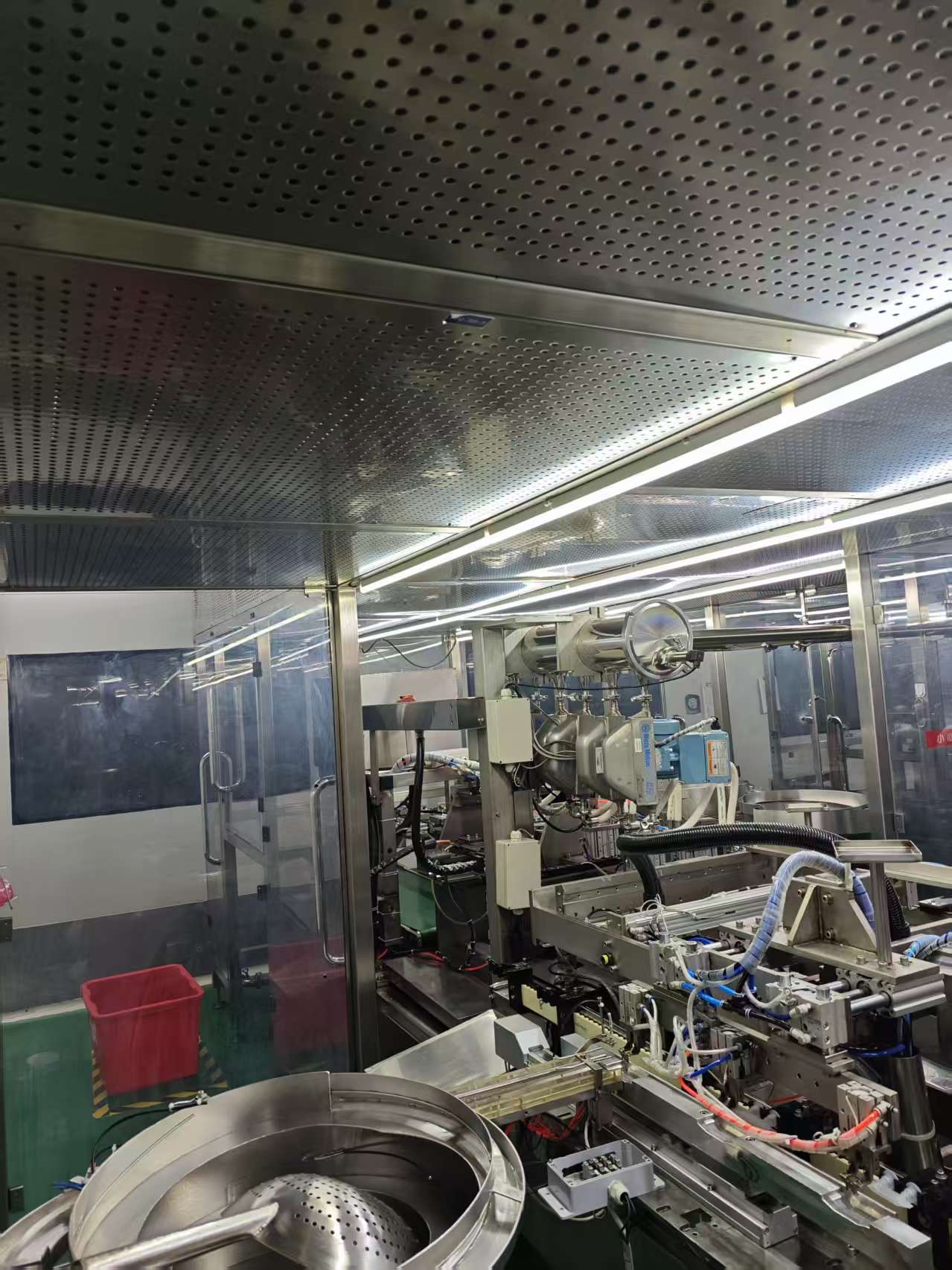
Before the retrofit, we conducted a detailed site survey and airflow testing. The original stainless steel diffuser system exhibited serious fluid dynamic defects (as shown in the "Before" diagram), mainly manifested in the following aspects:
Low Opening Ratio Causing a "Jet Effect": Due to the low physical opening ratio (porosity) of the stainless steel plates, a large volume of clean air was forced to squeeze through limited small holes. The air was compressed and accelerated as it passed through, creating high-velocity "jets" directly below the outlets. This failed to form a protective laminar flow and caused high-velocity air to potentially stir up dust or interfere with precision equipment.
Severe "Airflow Dead Zones": Below the solid metal areas of the stainless steel plate (where there were no holes), there was almost no airflow, creating obvious stagnation zones (dead zones). These areas are prone to particle accumulation and cannot be effectively flushed out, increasing the risk of cross-contamination.
Extremely Uneven Air Velocity: Test data showed a huge differential in air velocity across the outlet face—velocity directly below the holes was excessive, while velocity between the holes was too low. This uneven airflow organization failed to meet GMP requirements for airflow uniformity in critical areas.
Amorair upgraded the air supply terminal by replacing stainless-steel diffuser panels with a high-polymer uniform airflow membrane (180–200 mesh). The high-density micro-porous structure ensures even air distribution across the entire supply surface, optimizing unidirectional airflow performance.
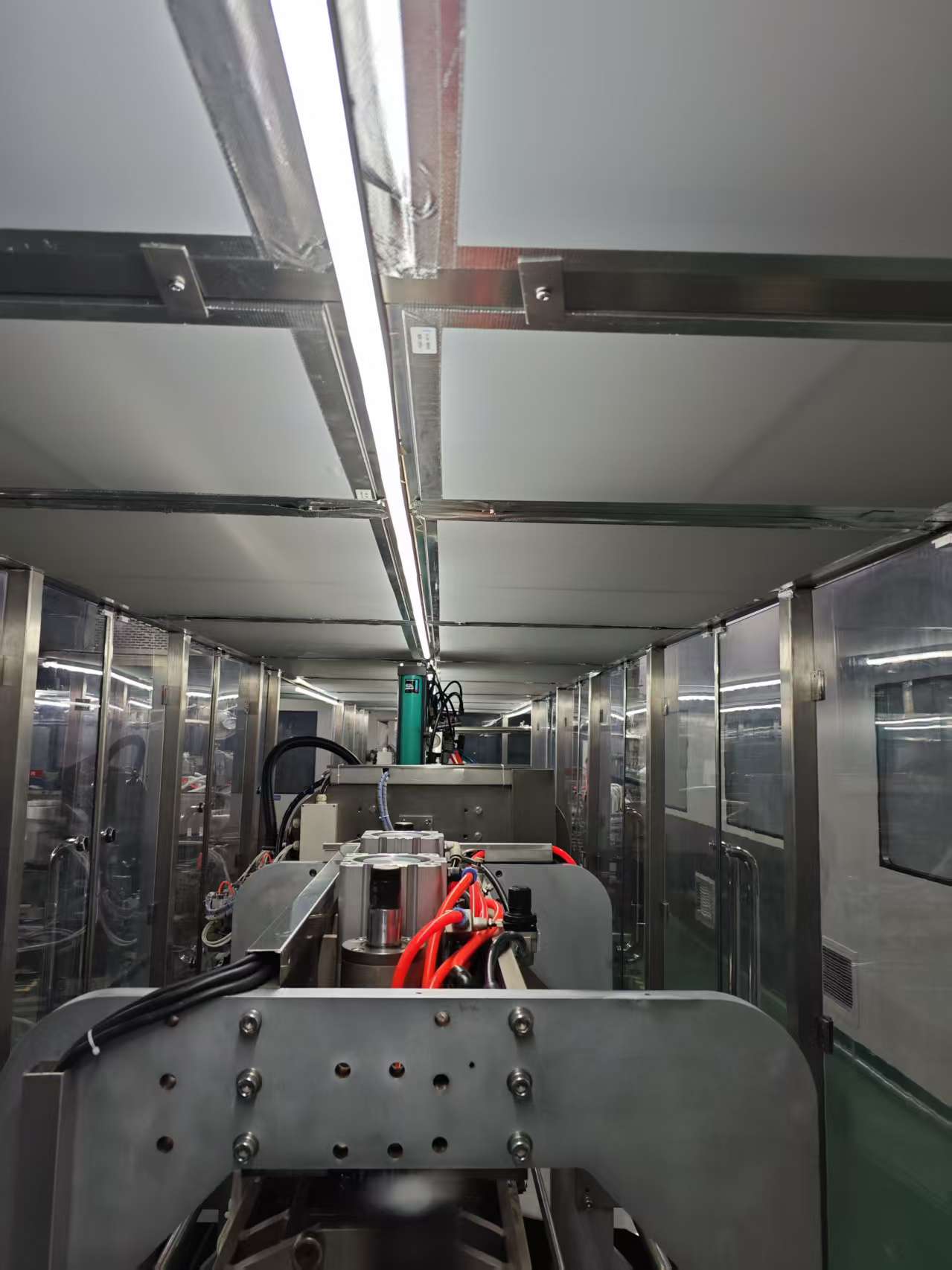
Upon completion of the retrofit, multi-point on-site testing revealed significant improvements:
- Achieved Ideal Laminar Flow: The high-pressure jets and turbulence were completely eliminated. Test grid data below the outlet face showed minimal deviation in air velocity at all points, achieving a highly uniform state that perfectly met design specifications.
- Eliminated Dead Zones: Gentle, uniform airflow now covers the entire working area, eliminating the original dust-accumulating dead zones and significantly reducing contamination risks.
- Optimized Process Environment: The stable airflow environment no longer interferes with production operations or precision instruments, providing a reliable guarantee for high-quality pharmaceutical production.
- Visual & Maintenance Upgrade: The retrofitted outlet face is cleaner and more transparent. Compared to heavy stainless steel plates, the Polymer Flow Equalizing Membrane components are much more convenient for future cleaning and maintenance replacement.
As cleanliness standards become increasingly strict, traditional metal diffusers struggle to meet the demands of modern pharmaceuticals and precision manufacturing. With its superior flow uniformity, the Polymer Flow Equalizing Membrane is becoming the preferred choice for industry upgrades.
If you are facing challenges with uneven airflow or control issues, please contact the AmorAir Global engineering team. Let us customize an exclusive airflow optimization solution for you.
Visit us at: www.amorairglobal.com
Learn how a three-stage chemical filtration syst
Amorair provides semiconductor air filtration so
Eliminate "jet effects" and airflow dead zones i
Contact: +1(213)786-4191
Phone: +1(213)786-4191
Tel: +1(213)786-4191
Email: Info@amorairglobal.com
Add: 1476 W 9th St Upland, CA, United States 91786
 English


